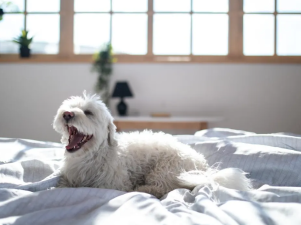
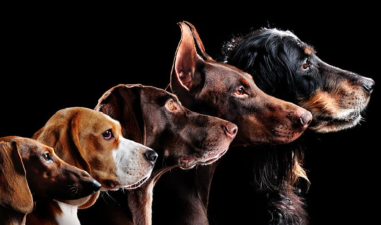
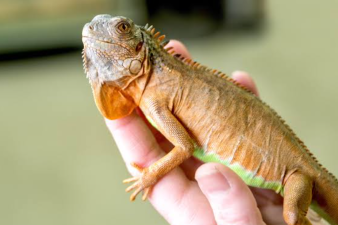
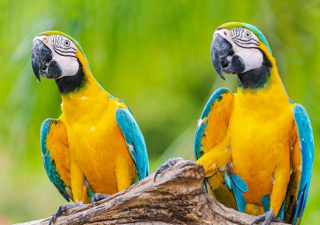
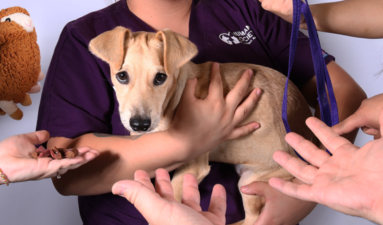
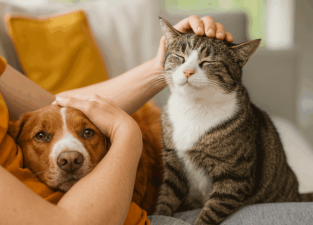
More and more people are designing their lives around their pets. The core reason is that pets have transformed from "accessories" into "living companions" and "family members." People are pursuing a lifestyle of "human-pet co-living"—a life of equality and harmony with their pets.
Why are modern people increasingly reliant on pets? A new trend in emotional support! In today's fast-paced life, people seem to rely more and more on a special kind of "companion"—pets. They are not only small joys in life but also indispensable pillars of support for many. Have you ever wondered why more and more people choose to spend time with their pets? In fact, in this highly digitalized, fast-paced era, pets have become an important way for modern people to combat loneliness and find solace.
Socioeconomic Factors
Improved Economic Conditions:
With economic development and increased per capita income, people have more financial and material resources to invest in pet care. The segmentation and diversification of the pet consumer market, as well as the emergence of high-end and intelligent products, meet the needs of different consumers.
Changes in Family Structure:
In modern society, the number of single-person households, childless households, and empty-nest elderly is increasing. These families often place greater emphasis on emotional exchange, and pets perfectly meet this need. Pets become part of the family, bringing emotional satisfaction and companionship.
Emotional Needs and Psychological Comfort
- Alleviating Loneliness:
The fast pace of life and increased work pressure lead many people to experience loneliness. Pets can provide emotional support and companionship, helping people alleviate loneliness and stress.
- Emotional Support:
For some, pets are not just pets, but also emotional support. They provide unconditional love and companionship, becoming an indispensable part of people's lives.
The Maturation and Development of the Pet Industry
Industry Innovation:
The pet industry is constantly innovating and upgrading, launching more products and services that meet consumer needs. For example, smart pet supplies, pet insurance, and pet medical services are gradually becoming important components of the pet market.
The Influence of Social Media:
The widespread use of social media has made pet culture more popular. Many people gain social recognition and attention by sharing interactions with their pets, further fueling the pet ownership trend.
Other Factors
The Needs of an Aging Society:
With the aging population, the demand for pets among the elderly is increasing. Pets provide companionship, emotional support, and comfort in their later years.
Young People's Attitudes Towards Pets:
The younger generation has a more open and tolerant attitude towards pets. They are more willing to consider pets as family members and provide them with better living conditions.
Urbanization:
With urbanization, people's living environments have changed. Green spaces and parks in cities provide more space for pets to roam, further promoting the pet ownership trend.
Summary
In conclusion, the increasing number of pet owners is the result of multiple factors. These factors include improved socioeconomic conditions, changes in family structure, emotional needs and psychological comfort, the maturity and development of the pet industry, and other factors such as the needs of an aging society, young people's attitudes towards pets, and urbanization. These factors intertwine and reinforce each other, jointly driving the development of the pet ownership trend.